The Ultimate Spring Chimney Maintenance Checklist
By Chimney Cleaners Editorial · March 15, 2026 · 5 min read
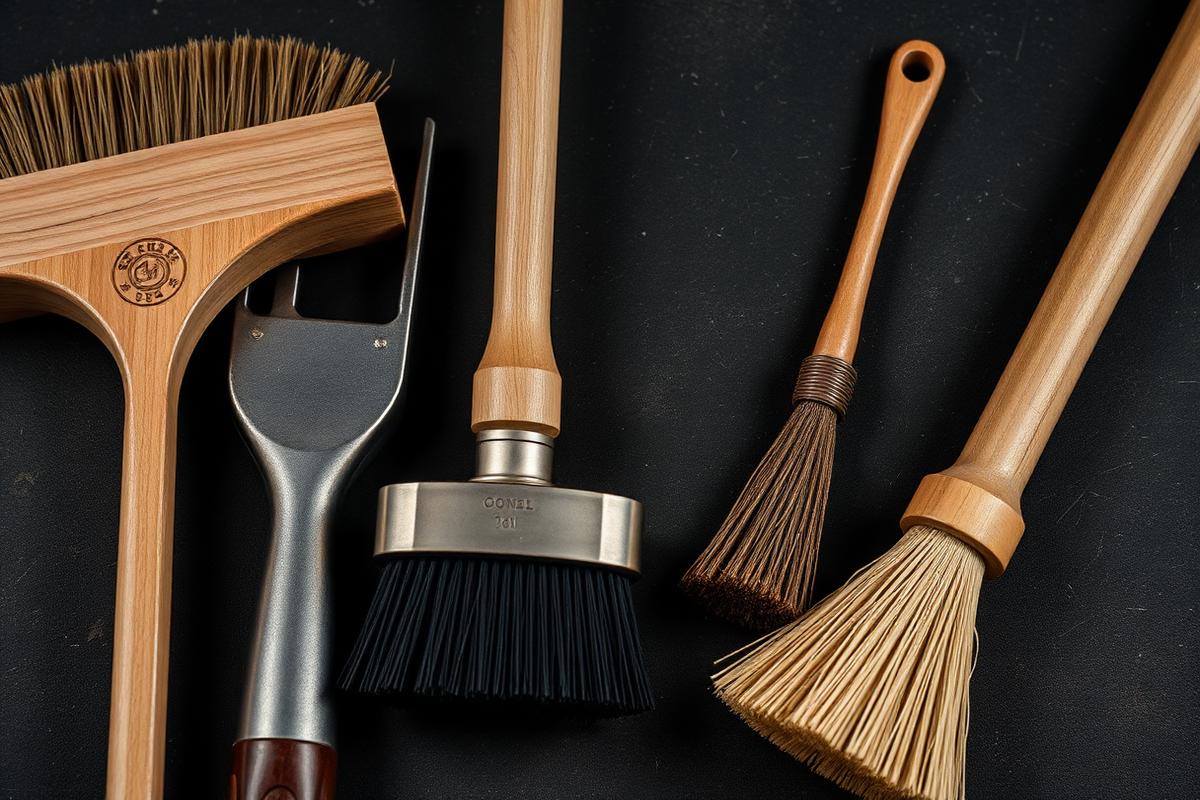
Spring is the best time to inspect your chimney for winter damage. Here is our 8-step checklist for a safe, dry flue all summer long.
Most homeowners forget about their fireplace the second the weather turns warm. But Spring is actually the most critical time for chimney care. Winter freeze-thaw cycles do more damage to masonry than heat ever will.
1. Inspect the Crown
The concrete slab at the top of your chimney (the crown) often cracks during winter as moisture freezes and expands. Small cracks let water into the structure all summer.
2. Check for Animal Nests
Birds, squirrels, and raccoons look for nesting spots in early spring. An uncapped chimney is their first choice. If you hear scratching or chirping, do not light a fire.
3. Remove Creosote Now
Leaving creosote in your flue over the humid summer allows it to absorb moisture and smell. It also turns acidic, which can corrode metal dampers and liners.
4. Test the Damper
Humidity can cause dampers to rust or stick. Make sure it still operates smoothly and creates a tight seal to keep your air conditioning from escaping up the flue.
5. Look for Efflorescence
White, chalky stains on your brick mean water is moving through the masonry. Catching this in spring allows for waterproofing before the next rainy season.
Chimney Sweeping in the towns this guide covers
Each local page lists pricing, code notes, and scheduling for that municipality:
- Chimney Sweeping in Newark, Essex County NJ
- Chimney Sweeping in Jersey City, Hudson County NJ
- Chimney Sweeping in Paterson, Passaic County NJ
- Chimney Sweeping in Elizabeth, Union County NJ
- Chimney Sweeping in Lakewood, Ocean County NJ
- Chimney Sweeping in Edison, Middlesex County NJ
- Chimney Sweeping in Woodbridge, Middlesex County NJ
- Chimney Sweeping in Toms River, Ocean County NJ
Nearby New Jersey towns we cover
Not in one of the towns above? These are the regions where this issue comes up most, with a dedicated local page for each municipality.
Older urban housing stock
Pre-1940 row houses and multi-family buildings commonly have unlined or shared flues.
North Jersey freeze-thaw belt
Repeated freeze-thaw cycles open mortar joints and spall brick faster than the rest of the state.
Central & suburban New Jersey
Post-war and 1980s subdivisions where prefab fireboxes and factory chases dominate.
Related services
Ready to schedule?
Certified NJ sweeps. Written quote within 24 hours by email or text, no phone tag.
Get My Free Quote