Hunterdon & Warren County Wood Stove Guide: Rural NJ's Primary Heat Reality
By Chimney Cleaners Editorial · February 11, 2026 · 9 min read
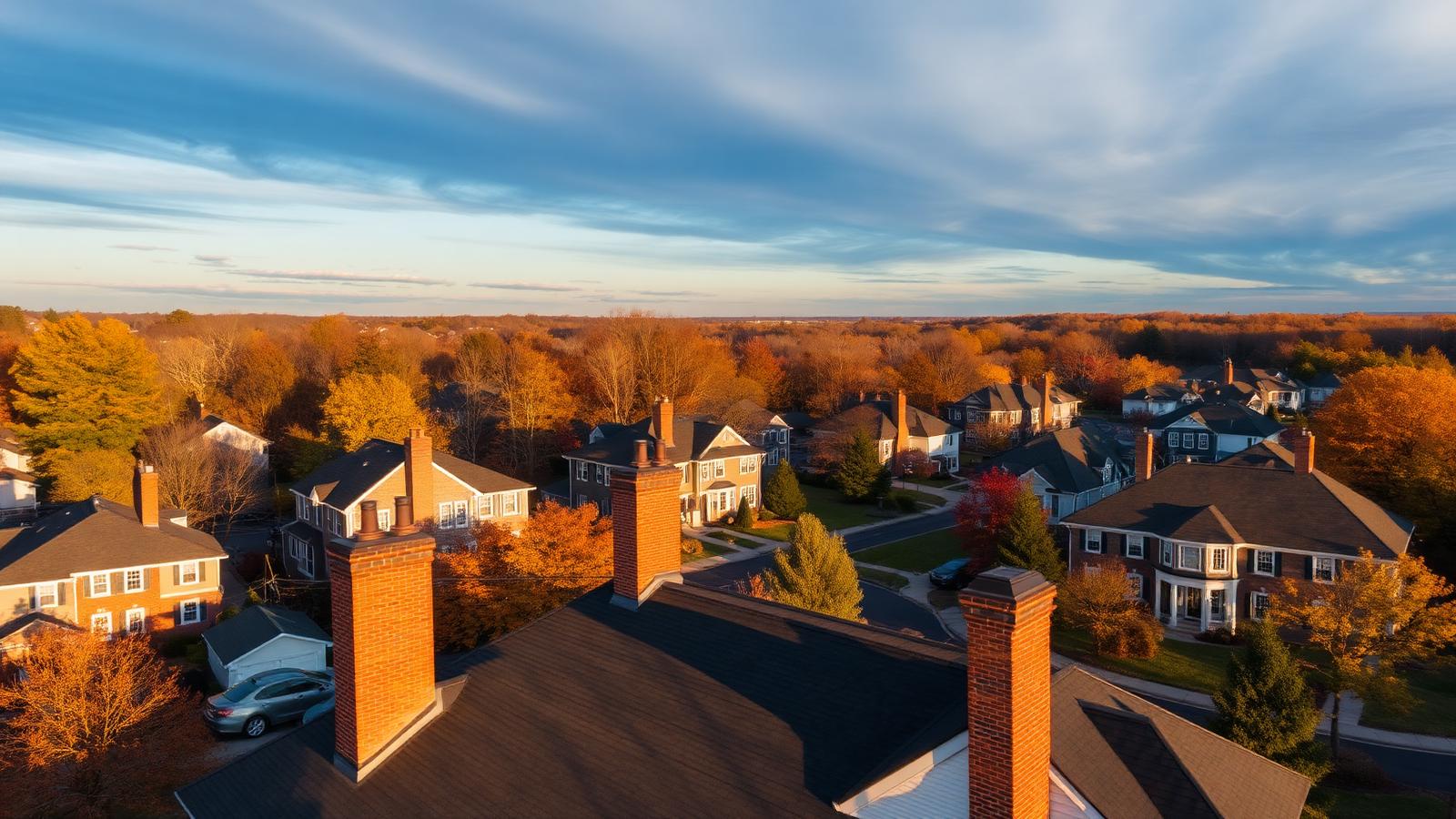
In western NJ, wood is primary heat, not a Sunday-night ambiance thing. Here is what that changes about sweep frequency, liner choice, and the real risk profile.
In eastern and central New Jersey, most fireplaces get lit maybe 15 to 25 times a winter. In Hunterdon, Warren, and rural Sussex, wood stoves and inserts are primary heat sources burning 4 to 6 cords a season, running 20+ hours a day for months at a time. Everything about the chimney sweep calculus changes when the burn volume goes up 10-20x.
Sweep frequency in real burn hours
The standard advice ('once a year') was written for occasional-use fireplaces. For a wood stove running as primary heat, the trigger is creosote buildup, not the calendar. Rule of thumb we use in Hunterdon and Warren:
- Every 1 cord of seasoned hardwood burned in a modern EPA stove → 1 sweep
- Every 1/2 cord burned in an older non-EPA stove or open fireplace → 1 sweep
- Any visible glaze (Stage 3) → sweep immediately regardless of interval
- Mid-season check at the 2-cord mark for any primary-heat home
Homeowners burning 5 cords a year should plan on 3 to 5 sweeps a season if they burn mostly hardwood, more if any softwood ends up in the mix. This is not a scam, it is the actual maintenance burden of primary wood heat.
Liner sizing for wood stoves and inserts
Almost every wood stove or fireplace insert installed in the last 20 years requires a 6-inch stainless liner running the full height of the chimney. Not the original 8x12 fireplace flue with the stove pipe just poked into it, that is a code violation and a guaranteed creosote factory.
If your Hunterdon or Warren home has an insert installed before 2005 and the installer did not run a full-height insulated stainless liner sized to the appliance, book a Level 2 immediately. It is one of the single most common defects we find on rural NJ sweeps.
The EPA-stove creosote advantage
Modern EPA-certified stoves (2015 NSPS or newer) produce 60 to 80% less creosote per cord burned than pre-1990 stoves, because their secondary combustion actually burns the smoke instead of sending it up the flue. If you are burning as primary heat in an old stove, the upgrade to a modern EPA unit will typically pay for itself in fuel savings and sweep frequency inside 6 years.
Rural-NJ specific issues
- Longer sweep drive times mean fewer sweeps compete for the work, book September, not November
- Well water and septic systems mean roof access is often more constrained (leach fields, wells within setback)
- Wildlife (squirrels, raccoons, chimney swifts) far more common than in the suburbs, annual cap inspection is not optional
- Snow-load damage to caps and crowns after big winter storms
- Longer power outages make wood heat truly primary, not backup, resilience matters
Chimney Sweeping in the towns this guide covers
Each local page lists pricing, code notes, and scheduling for that municipality:
- Chimney Sweeping in Raritan Township (Hunterdon), Hunterdon County NJ
- Chimney Sweeping in Vernon, Sussex County NJ
- Chimney Sweeping in Sparta, Sussex County NJ
- Chimney Sweeping in Phillipsburg, Warren County NJ
- Chimney Sweeping in Hopatcong, Sussex County NJ
- Chimney Sweeping in Clinton Township, Hunterdon County NJ
- Chimney Sweeping in Hackettstown, Warren County NJ
- Chimney Sweeping in Hardyston, Sussex County NJ
Nearby New Jersey towns we cover
Not in one of the towns above? These are the regions where this issue comes up most, with a dedicated local page for each municipality.
Older urban housing stock
Pre-1940 row houses and multi-family buildings commonly have unlined or shared flues.
North Jersey freeze-thaw belt
Repeated freeze-thaw cycles open mortar joints and spall brick faster than the rest of the state.
Central & suburban New Jersey
Post-war and 1980s subdivisions where prefab fireboxes and factory chases dominate.
Ready to schedule?
Certified NJ sweeps. Written quote within 24 hours by email or text, no phone tag.
Get My Free Quote