South Jersey Chimney Guide: Camden, Burlington & Gloucester County Realities
By Chimney Cleaners Editorial · February 2, 2026 · 9 min read
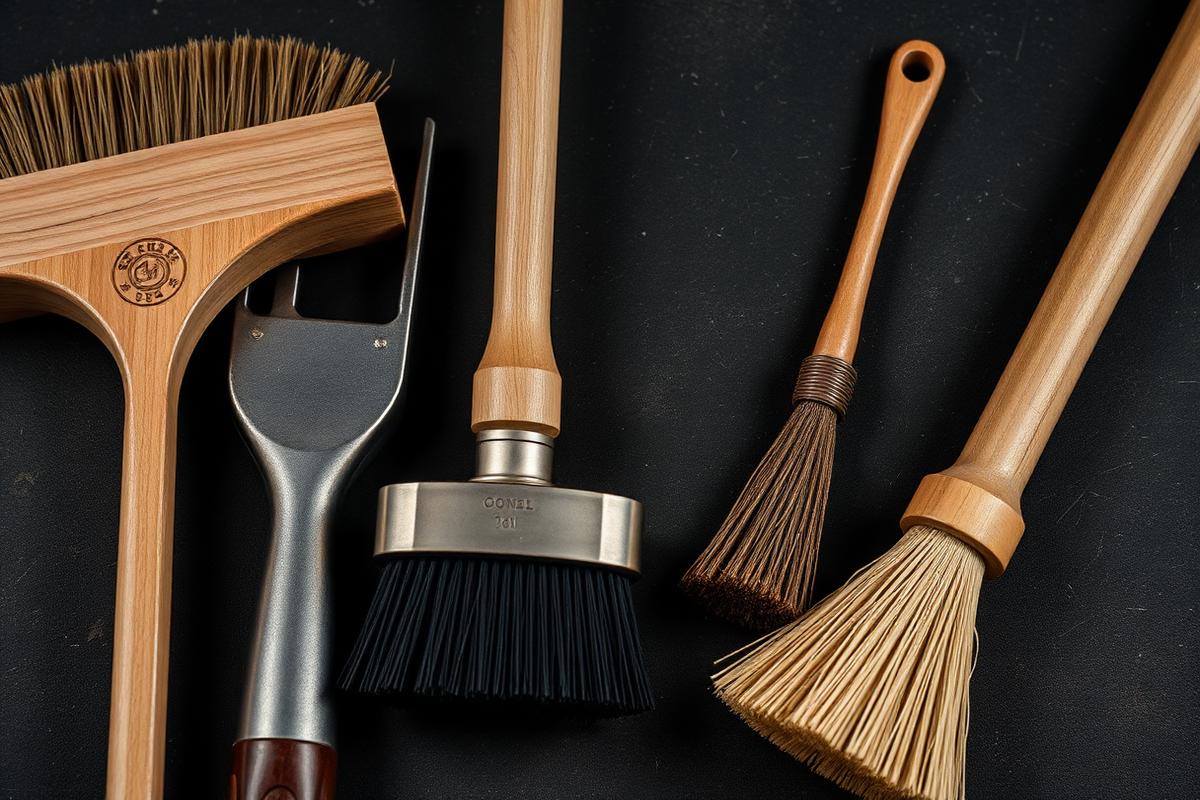
South Jersey winters are milder, the soil is sandier, and the housing stock skews newer. Here is what actually changes about chimney maintenance below I-195.
Camden, Burlington, and Gloucester counties operate in a measurably different climate and construction context than North Jersey. Winters see fewer freeze-thaw cycles (typically 30 to 50 per year vs. 60 to 90 up north), average January lows are 5 to 8°F warmer, and the housing stock skews toward 1960s: 2000s single-family suburban rather than pre-war urban. All of that shifts the chimney maintenance calculus.
Fewer freeze-thaw cycles, slower spalling
The most important difference: brick chimneys in Cherry Hill, Voorhees, Mount Laurel, or Marlton spall roughly 40% slower than identical chimneys in Bergen or Sussex, simply because there are fewer freeze events per winter. That is real, and it means South Jersey chimneys can often go 10 to 12 years between waterproofing cycles instead of the 7 to 10 years we specify north of I-78.
It does not mean waterproofing is optional. It just means the timing is different.
Sandier soil and foundation movement
South Jersey coastal-plain soils are generally sandier and better-draining than the clay soils common in North Jersey. Chimney footings sit on more stable ground, meaning the leaning-chimney and separation-from-house issues we routinely see in North Jersey are less common. When we do see them below I-195, they are almost always tied to specific soil conditions (fill lots, tidal-influence areas near Delaware Bay) rather than general regional soil behavior.
The heat-pump conversion trend
Camden and Burlington have seen faster adoption of electric heat pumps than most of North Jersey, particularly in new construction and post-2015 renovations. That means many homes now have a chimney serving only a decorative fireplace and a legacy gas water heater, or nothing at all.
If you are in this situation and the chimney no longer serves any active appliance, you have three legitimate options: (1) maintain it for the fireplace only, (2) fully abandon and cap it, or (3) remove it above the roofline. All three are valid; option 3 is the most expensive but eliminates the future maintenance liability entirely.
Pine Barrens edge and creosote
Southeastern Burlington and eastern Camden brush against the Pine Barrens, and homeowners there sometimes burn scavenged pine as supplemental heat. This is a fast creosote problem. Pine burns hot and dirty compared to hardwood; a stove burning 50% pine will need sweeping 2 to 3x more often than the same stove burning hardwood. If you are burning any pine, plan on a sweep every cord instead of every 2 cords.
South Jersey sweep-availability advantage
Fewer households burn wood as a percentage in South Jersey than in the northern half of the state, which means peak-season booking is less competitive. Homeowners in Cherry Hill, Mount Laurel, and Voorhees can typically get a sweep in-week even in October, not true north of Trenton, where October bookings are 3 to 4 weeks out.
Chimney Sweeping in the towns this guide covers
Each local page lists pricing, code notes, and scheduling for that municipality:
- Chimney Sweeping in Cherry Hill, Camden County NJ
- Chimney Sweeping in Camden, Camden County NJ
- Chimney Sweeping in Gloucester Township, Camden County NJ
- Chimney Sweeping in Washington Township (Gloucester), Gloucester County NJ
- Chimney Sweeping in Evesham, Burlington County NJ
- Chimney Sweeping in Mount Laurel, Burlington County NJ
- Chimney Sweeping in Winslow, Camden County NJ
- Chimney Sweeping in Monroe Township (Gloucester), Gloucester County NJ
Nearby New Jersey towns we cover
Not in one of the towns above? These are the regions where this issue comes up most, with a dedicated local page for each municipality.
Older urban housing stock
Pre-1940 row houses and multi-family buildings commonly have unlined or shared flues.
North Jersey freeze-thaw belt
Repeated freeze-thaw cycles open mortar joints and spall brick faster than the rest of the state.
Central & suburban New Jersey
Post-war and 1980s subdivisions where prefab fireboxes and factory chases dominate.
Ready to schedule?
Certified NJ sweeps. Written quote within 24 hours by email or text, no phone tag.
Get My Free Quote